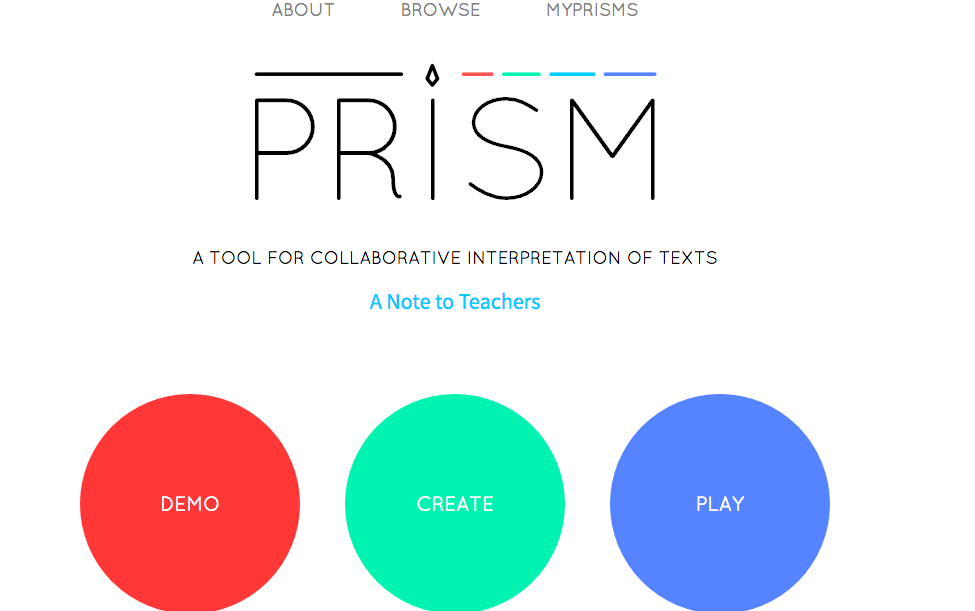
Having done the delete-social-media-account dance again, I’m without Twitter and Facebook. And still feeling really really good about that. But, I miss being part of an extended community of interesting people who share ideas quasi-synchronously. A social network, as it were.
So. I’ve been looking at some of the alternatives. I don’t think any of them are “there” yet, but they each provide an opportunity to explore different aspects of community and software design. When looking at these alternatives, I’m trying to learn about how the design of software affects what people actually do with it. I’m also aware that much of the difference, when compared with twitter or facebook, is due to novelty and freshness - there are no trolls there (yet), and everyone who is exploring the platforms is doing so because they care and are interested and interesting. So, not apples-to-apples. But, still, there is much to learn by actually using these things. That’s the only way I know of to really learn what these things mean.
I’ve been playing video games since I started typing them into our Vic=20, from the pages of Compute! Magazine. ASCII-art games, in glorious 22-column resolution. Amazing. Console gaming for me started with Intellivision in 1980. One of my favorite games was Skiing, which was an incredible and exciting ski simulator.
I hadn’t planned on writing anything here about this, but enough people have asked me variations of “OMG ARE YOU OK?” that it’s worth saying something. On October 7, I deleted my twitter and Facebook accounts. It’s not a nihilistic dramatic cry for help. I am fine. Doing great, actually.
It was directly triggered by US election fatigue (and I’m horrified, watching the results starting to trickle in as I write this. How on earth is this even remotely close?). I just got tired of the constant drain, the constant snark, updates, trash talk, and general toxicity of the whole process. For a country that likes to think of themselves as the paragon of democracy, it’s truly shocking just how dysfunctional, distracting, divisive and corrosive their process is. It’s going to take a decade to depolarize and repair after this madness ends.
This is cool. Karen is teaching one of her Victorian literature classes in the Taylor Institute, and redesigned the course to take advantage of the flexible space and collaborative technologies. Awesome. I can’t wait to hear more about how it goes (as well as learning from the 20 other instructors and ~2000 students working in the TI this semester, and even more queued up for W2017!)
This semester I decided to do something a little different. I have the privilege of teaching my Victorian literature class in one of the fancy new classrooms at the Taylor Institute for Teaching and Learning at the University of Calgary. My 40-person class has six big touch screens, and as a result we’ve been able to do a lot of hands-on work in small groups leading into discussions with the whole class.
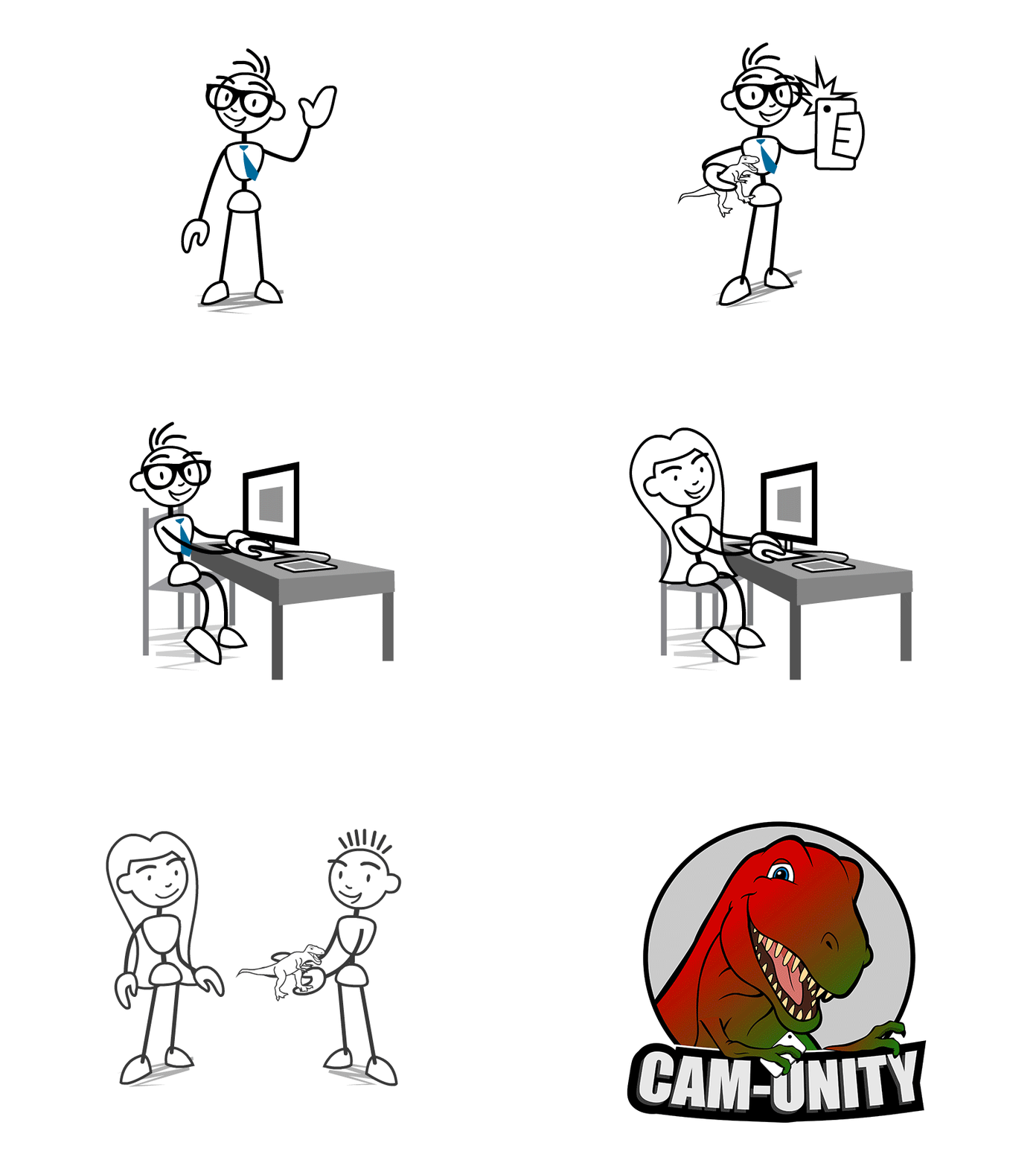
This is cool. CAM(era)-(COMM)unity. A project by the Graduate Students’ Association here at UCalgary. Not just a “create a profile and post a photo” site - but a physical token that must be passed from grad student to grad student to unlock a login to the site. An interesting way to get students to meet each other, and also to share information about themselves and their research.
I thought he might be talking about where we host our stuff as our castles, but he means it in a much more personal and direct way - web browsers (and other internet-abled apps, I would add) are extremely personal spaces where we invite content and code from outside the walls. I think I have the right to make sure guests leave surveillance devices and weapons outside before entering.
Blended learning, n. The practice of combining digital and analog teaching. Also referred to as “teaching”, “learning”, and “the real world”.
Flipped classroom, n. “The practice of replacing lectures that instructors give to summarize a course’s readings with videos of lectures that summarize a course’s readings.”
LMS, n. 1) A document management system, whereby a faculty member can transfer a single document to his or her students. Curiously overpowered for this purpose, nevertheless universally deployed.
A good way to avoid legal notices about copyright.
The graveyard of pedagogical intentions. A sump for IT budgets.
Doc Searls, writing on Medium1 about some important projects to help pull the balance of power on the internet back to the individuals that make it awesome in the first place.
There’s a new sheriff on the Net, and it’s the individual. Who isn’t a “user,” by the way. Or a “consumer.” With new terms of our own, we’re the first party. The companies we deal with are second parties. Meaning that they are the users, and the consumers, of our legal “content.” And they’ll like it too, because we actually want to do good business with good companies, and are glad to make deals that work for both parties. Those include expressions of true loyalty, rather than the coerced kind we get from every “loyalty” card we carry in our purses and wallets.
After deactivating my twitter and facebook accounts (again. again.) I was struck that most people don’t seem to subscribe to RSS feeds anymore, relying on twitter and facebook for notification when content is published. Which means, on the one hand, I’ve muted myself because many people will no longer know when I post something (which may be for the better). On the other hand (actually, I guess it’s the same hand…), it means that many people have completely abdicated control for their information to companies and their opaque/secret/unknown algorithms.
When it comes to security, where will this sea of abandoned devices get security patches from? Who will write them, and how will they get paid?Like Ward, I worry that it’s not just an internet of things, but a proprietary mess of interdependent services built on the shifting sands of unstable business models. Unless we develop standards and protocols that reduce that proprietary interdependency we’re eventually going to have a lot bigger problem on our hands than Twitter outages.
For an undetermined amount of time, I’m going to be taking a break from most social media activity. Call it whatever you want: rest, recovery, therapy, need for a change of scenery, election fatique, information overload, a distraction. They are all correct.
Yup. I’m right there with you, Adam. I deactivated my Twitter and Facebook accounts about 10 days ago. Not sure if I’ll let them evaporate at the end of the 30-day cooling-off period, but I sure feel less frustrated with the world since dropping out.